
 By Mia Wilson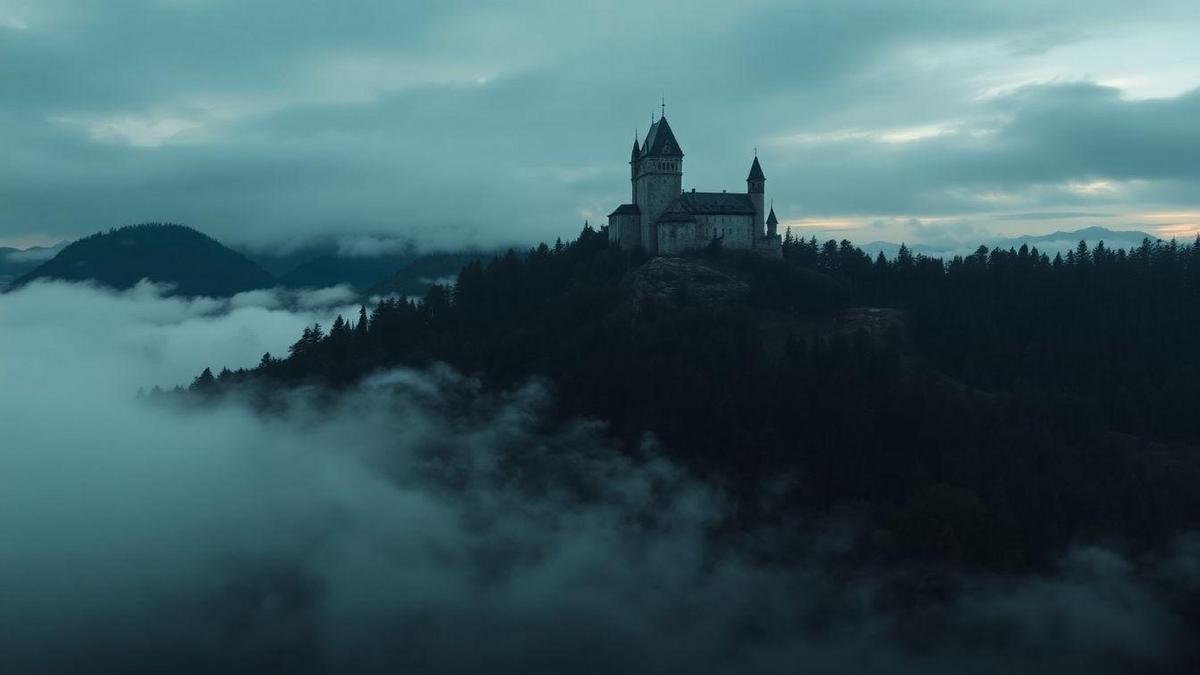
Why is Dracula Still Essential Reading? This question leads you into the fascinating world of Bram Stoker’s iconic novel.
Dive into the timeless appeal of Dracula, where you’ll discover its impact on horror literature and how it shaped our understanding of vampires today.
You’ll explore gothic elements, the novel’s cultural influence, and the way it still resonates with modern audiences. Plus, check out its lasting legacy through adaptations!
Get ready to uncover why this classic is still a must-read.
The Timeless Appeal of Bram Stoker’s Dracula
Bram Stoker’s “Dracula,” published in 1897, has long been hailed as a cornerstone of horror literature.
Its enduring appeal can be attributed to the complex interplay of fear, desire, and the unknown that it masterfully orchestrates.
The novel’s atmospheric settings, from the eerie Transylvanian castle to the fog-laden streets of Victorian London, create an immersive world that captivates readers.
Stoker’s meticulous attention to detail allows the audience to experience the characters’ terror and fascination, making them feel as if they are part of the narrative.
At its core, “Dracula” delves into the primal fears that lie within us all—the fear of the other, the fear of death, and the fear of losing one’s identity.
These themes resonate across generations, making the novel timeless. The character of Count Dracula, with his seductive charm and monstrous nature, personifies the duality of human nature, drawing readers into a web of intrigue and horror.
Stoker’s use of an epistolary format, combining letters, diary entries, and newspaper clippings, enhances the sense of immediacy and realism, allowing readers to witness the unfolding horror through the eyes of multiple characters.
The novel’s exploration of sexuality and repression also contributes to its lasting appeal.
In the late 19th century, Victorian society was rife with strict moral codes, and “Dracula” challenges these norms by presenting a figure who embodies both sexual liberation and predation.
The contrast between the innocent Mina Harker and the predatory nature of Dracula creates a tension that continues to captivate modern audiences.
As such, “Dracula” remains not only a horror story but also a commentary on the societal issues of its time, making it relevant for readers today.
Dracula’s Significance in Horror Literature
“Dracula” holds a unique position in the pantheon of horror literature, often regarded as the archetypal vampire novel.
It laid the groundwork for countless adaptations and reinterpretations of the vampire mythos, influencing both literature and film.
Stoker’s portrayal of vampires as sophisticated yet monstrous beings marked a departure from earlier depictions of mindless creatures.
This nuanced representation has allowed “Dracula” to transcend its time, inspiring writers and filmmakers to explore the complexities of vampirism in their own works.
The novel’s impact on the genre is undeniable. It has spawned a plethora of vampire narratives, each drawing on the themes and motifs established by Stoker.
The concept of the vampire as a symbol of forbidden desire and the fear of the unknown has become a recurring theme in horror literature.
Works such as Anne Rice’s “The Vampire Chronicles” and Stephen King’s “Salem’s Lot” owe much to Stoker’s pioneering vision, showcasing the far-reaching influence of “Dracula” on the evolution of vampire lore.
Moreover, “Dracula” serves as a lens through which we can examine societal anxieties of its time, particularly regarding sexuality, immigration, and the clash of modernity with tradition.
Stoker’s exploration of these themes not only solidified his place in horror literature but also established “Dracula” as a work that invites critical analysis and interpretation.
This significance continues to resonate with scholars and readers alike, ensuring that “Dracula” remains a focal point in discussions about the genre.
Why is Dracula Still Essential Reading for Modern Audiences?
In an age where horror has evolved into various subgenres, “Dracula” remains essential reading for modern audiences for several reasons.
First and foremost, it presents a rich tapestry of themes that continue to resonate in contemporary society.
The exploration of power dynamics, gender roles, and the fear of the unknown reflects ongoing societal conversations, making the novel relevant to today’s readers.
The character of Count Dracula embodies the allure of danger and the seductive nature of evil, themes that are prevalent in modern narratives.
The struggle between good and evil, and the moral ambiguities that accompany it, are as relevant today as they were in Stoker’s time.
Readers are drawn to the complexities of Dracula’s character, who simultaneously evokes sympathy and horror.
This duality challenges readers to confront their own fears and desires, making the experience of reading “Dracula” both unsettling and thought-provoking.
Furthermore, the novel’s exploration of technology and modernity resonates in an era dominated by rapid technological advancements.
The use of telegraphs, phonographs, and other innovations in the narrative reflects the anxieties of a society grappling with change.
As we navigate our own technological landscape, the themes of alienation and the loss of human connection become increasingly relevant.
Stoker’s ability to weave these elements into the fabric of his story ensures that “Dracula” remains a compelling read for audiences today.
Additionally, the novel’s rich symbolism invites readers to engage in deeper analysis. The bloodsucking vampire can be seen as a metaphor for various societal issues, from colonialism to the fear of sexuality.
This multifaceted interpretation allows for diverse readings, making “Dracula” a text that can be revisited time and again, revealing new insights with each reading.
The Impact of Dracula on Vampire Lore
“Dracula” has had a profound impact on the development of vampire lore, shaping the characteristics and attributes associated with vampires in popular culture.
Prior to Stoker’s work, vampires were often depicted as mindless creatures, lacking the complexity and allure that Dracula embodies.
Stoker’s portrayal of the vampire as a charismatic yet predatory figure introduced a new dimension to the mythos, allowing for a more nuanced exploration of the vampire’s nature.
One of the most significant contributions of “Dracula” to vampire lore is the idea of the vampire as a creature of sophistication and intellect.
Count Dracula is not merely a monster; he is a cultured individual who speaks multiple languages, possesses wealth, and exhibits charm.
This portrayal has influenced countless adaptations, where vampires are often depicted as alluring figures who navigate the complexities of human society while hiding their true nature.
Moreover, Stoker’s emphasis on the vampire’s connection to sexuality has become a defining characteristic of the genre.
The seductive nature of Dracula and the sexual tension present in the novel have paved the way for the exploration of eroticism in vampire narratives.
This theme is evident in modern works such as “Twilight” by Stephenie Meyer and “True Blood” by Charlaine Harris, where the allure of the vampire is intertwined with themes of romance and desire.
Additionally, “Dracula” introduced the concept of the vampire’s weaknesses, such as sunlight, garlic, and holy symbols.
These vulnerabilities have become staples of vampire lore, influencing subsequent literature and film. The idea of a vampire hunter, epitomized by the character of Van Helsing, has also become a recurring trope, establishing a framework for the eternal struggle between humans and vampires.
In essence, “Dracula” has not only shaped the characteristics of vampires but has also established the conventions and tropes that continue to define the genre.
Its influence can be seen in the vast array of vampire stories that have emerged in the years since its publication, solidifying its position as a foundational text in the realm of horror literature.
Exploring the Gothic Fiction Elements in Dracula
“Dracula” is steeped in Gothic fiction elements, which contribute to its chilling atmosphere and enduring appeal.
The novel incorporates key characteristics of the Gothic genre, such as eerie settings, supernatural occurrences, and a sense of dread that permeates the narrative.
Stoker’s masterful use of these elements creates a haunting experience for readers, drawing them into a world where the boundaries between reality and the supernatural blur.
The setting of Transylvania, with its dark forests, crumbling castles, and mist-shrouded mountains, serves as a quintessential Gothic backdrop.
Stoker’s vivid descriptions transport readers to a land steeped in folklore and mystery, where the supernatural is an ever-present reality.
The contrast between the wild, untamed landscape of Transylvania and the civilized world of Victorian London heightens the sense of danger and foreboding, underscoring the themes of the novel.
Supernatural occurrences are a hallmark of Gothic fiction, and “Dracula” is no exception.
The presence of the undead, the transformation of Lucy into a vampire, and the eerie phenomena that surround Count Dracula all contribute to the novel’s sense of horror.
These elements evoke a sense of the uncanny, where familiar settings are rendered strange and unsettling. The tension between the known and the unknown creates a pervasive atmosphere of dread, keeping readers on the edge of their seats.
Furthermore, the exploration of madness and psychological terror is a key aspect of Gothic fiction that Stoker adeptly weaves into “Dracula.”
The characters grapple with their fears, desires, and the encroaching darkness that threatens to consume them.
Lucy’s descent into vampirism and the mental anguish experienced by characters like Mina and Jonathan Harker reflect the psychological turmoil that often accompanies Gothic narratives.
This exploration of the human psyche adds depth to the horror, making it not just a tale of monsters but a reflection of the inner struggles that haunt us all.
The presence of a mysterious antagonist, in this case, Count Dracula, is another defining characteristic of Gothic fiction. Dracula’s enigmatic nature and his ability to manipulate those around him create a sense of unease and tension.
He embodies the archetypal Gothic villain, representing the fears and anxieties of society.
This interplay between good and evil, light and darkness, further enhances the novel’s Gothic elements, drawing readers into a world where moral boundaries are blurred.
In essence, “Dracula” stands as a quintessential example of Gothic fiction, employing its elements to create a haunting narrative that resonates with readers.
The atmospheric settings, supernatural occurrences, and psychological terror contribute to the novel’s status as a timeless work of horror literature.
Cultural Influence of Dracula Through the Ages
Since its publication, “Dracula” has exerted a profound cultural influence, shaping not only literature but also film, theater, and popular culture.
The novel’s themes and characters have permeated various forms of media, reflecting societal anxieties and desires across different eras.
This cultural impact underscores the enduring relevance of Stoker’s work and its ability to adapt to the changing landscape of society.
In the realm of film, “Dracula” has inspired countless adaptations, each interpreting the source material through the lens of its time.
The iconic portrayal of Count Dracula by actors such as Bela Lugosi and Christopher Lee has become synonymous with the vampire archetype.
These adaptations have not only popularized the character but have also contributed to the evolution of vampire lore, introducing new elements and interpretations that resonate with contemporary audiences.
The cultural influence of “Dracula” extends beyond the realm of horror. The character of Dracula has become a symbol of seduction, danger, and the allure of the unknown.
This archetype has been embraced in various genres, from romance to fantasy, illustrating the versatility of Stoker’s creation.
The vampire’s ability to transcend genres speaks to the universal appeal of the themes explored in “Dracula,” making it a cultural touchstone that continues to inspire artists and creators.
Moreover, “Dracula” has been the subject of scholarly analysis, prompting discussions about its representation of gender, sexuality, and colonialism.
The novel’s exploration of these themes has resonated with feminist and postcolonial critiques, allowing for a deeper understanding of its cultural significance.
As society grapples with issues of identity, power, and representation, “Dracula” remains a relevant text that invites critical examination and interpretation.
The cultural influence of “Dracula” is also evident in its presence in popular culture. References to the character and themes of “Dracula” can be found in literature, television shows, and even fashion.
The vampire aesthetic, characterized by dark clothing, pale skin, and an air of mystery, has become a cultural phenomenon, influencing trends in art and fashion.
The enduring fascination with vampires, fueled by the legacy of “Dracula,” speaks to the novel’s lasting impact on our collective imagination.
In summary, the cultural influence of “Dracula” is far-reaching, shaping not only the horror genre but also broader cultural narratives.
Its themes, characters, and symbolism continue to resonate, ensuring that Stoker’s work remains a vital part of our cultural landscape.
The Literary Impact of Dracula on Future Authors
The literary impact of “Dracula” on future authors cannot be overstated. Stoker’s innovative approach to storytelling, character development, and thematic exploration has inspired generations of writers to delve into the realms of horror and the supernatural.
The novel’s legacy is evident in the works of authors who have drawn upon its themes, characters, and stylistic elements to create their own narratives.
One of the most significant contributions of “Dracula” to literature is its establishment of the modern vampire archetype.
Writers such as Anne Rice, Stephen King, and Neil Gaiman have all cited Stoker’s work as a foundational influence on their own depictions of vampires.
Rice’s “The Vampire Chronicles,” for instance, explores the complexities of vampire existence, echoing the duality present in Stoker’s Count Dracula.
Similarly, King’s “Salem’s Lot” pays homage to the themes of fear and isolation that permeate Stoker’s narrative, showcasing the enduring relevance of “Dracula” in the horror genre.
Furthermore, “Dracula” has inspired authors to experiment with narrative structure and form.
Stoker’s use of the epistolary format, combining letters, diary entries, and newspaper clippings, has encouraged writers to explore innovative storytelling techniques.
This approach allows for multiple perspectives and creates a sense of immediacy, drawing readers into the narrative in a way that is both engaging and immersive.
Contemporary authors continue to adopt similar techniques, demonstrating the lasting influence of Stoker’s narrative style.
The themes of identity, sexuality, and societal anxieties explored in “Dracula” have also resonated with writers seeking to address contemporary issues.
The exploration of the monstrous as a reflection of societal fears has become a recurring theme in modern horror literature.
Authors such as Silvia Moreno-Garcia and Tananarive Due have drawn upon the themes of “Dracula” to craft narratives that address issues of race, gender, and power dynamics, showcasing the novel’s relevance in addressing the complexities of modern society.
Moreover, the character of Count Dracula has become an archetype that transcends the boundaries of horror literature.
Writers across genres have reimagined and reinvented the vampire figure, infusing it with new characteristics and motivations.
This adaptability speaks to the richness of Stoker’s creation, allowing for diverse interpretations and explorations of the vampire mythos.
In essence, the literary impact of “Dracula” is profound and far-reaching. Stoker’s innovative storytelling, thematic depth, and complex characters have inspired countless authors to explore the realms of horror and the supernatural.
The legacy of “Dracula” continues to shape the landscape of literature, ensuring that its influence endures for generations to come.
Modern Adaptations of Dracula: A Testament to Its Enduring Legacy
The enduring legacy of “Dracula” is perhaps best illustrated through its myriad of modern adaptations, each reinterpreting Stoker’s work for contemporary audiences. F
rom film and television to stage productions and graphic novels, the story of Count Dracula has been reimagined and revitalized, showcasing the novel’s timeless themes and characters.
In the realm of film, “Dracula” has inspired a diverse array of adaptations, ranging from faithful retellings to radical reinterpretations.
Francis Ford Coppola’s 1992 film “Bram Stoker’s Dracula” is a prime example of a modern adaptation that seeks to capture the essence of the original novel while infusing it with a contemporary sensibility.
The film explores the themes of love and loss, presenting Dracula not merely as a monster but as a tragic figure driven by desire.
This reinterpretation highlights the enduring complexity of Stoker’s character, demonstrating how the themes of “Dracula” can resonate with modern audiences.
Television adaptations have also played a significant role in keeping the story of “Dracula” alive. Series such as “Dracula” (2020) and “Penny Dreadful” have drawn upon Stoker’s work to create narratives that blend horror, fantasy, and psychological drama.
These adaptations explore the character’s motivations and relationships, providing fresh perspectives on the age-old tale.
By delving into the emotional and psychological aspects of Dracula’s character, these modern interpretations breathe new life into the story, making it relevant for today’s viewers.
The stage has also seen a resurgence of interest in “Dracula,” with numerous theatrical adaptations capturing the essence of Stoker’s work.
Productions such as “Dracula: The Musical” and “Dracula: A Ghost Story” have reimagined the narrative for live audiences, incorporating elements of music, dance, and visual spectacle.
These adaptations highlight the adaptability of Stoker’s story, showcasing how it can be reinterpreted in various artistic forms.
In addition to traditional adaptations, graphic novels and comic book series have emerged as a popular medium for retelling the story of “Dracula.”
Works such as “The Complete Dracula” by Bram Stoker and “Dracula: The Graphic Novel” have introduced the tale to new generations of readers, combining visual storytelling with Stoker’s original text.
This fusion of art and literature allows for a fresh interpretation of the story, appealing to a diverse audience.
The enduring legacy of “Dracula” is not limited to its adaptations; it has also inspired a wealth of derivative works that explore the themes and characters of the original novel.
Authors continue to draw upon the vampire mythos established by Stoker, creating new narratives that pay homage to his legacy.
From young adult novels to fantasy series, the influence of “Dracula” can be seen across genres, demonstrating its lasting impact on popular culture.
In conclusion, the modern adaptations of “Dracula” serve as a testament to the novel’s enduring legacy.
Through film, television, theater, and graphic novels, the story of Count Dracula continues to captivate audiences, showcasing the timeless themes and complexities of Stoker’s creation.
As new interpretations emerge, “Dracula” remains a vital part of our cultural landscape, ensuring that the legacy of Bram Stoker endures for generations to come.
Timeless Themes in Dracula That Resonate Today
At the heart of Bram Stoker’s “Dracula” lies a tapestry of timeless themes that continue to resonate with readers today.
These themes, woven into the fabric of the narrative, explore the complexities of human nature, societal anxieties, and the eternal struggle between good and evil.
As we delve into these themes, it becomes clear why “Dracula” remains essential reading for modern audiences.
One of the most prominent themes in “Dracula” is the exploration of fear and the unknown. The novel taps into the primal fear of the other, representing the anxieties of a society grappling with change.
Count Dracula embodies the fear of the foreign and the unfamiliar, challenging the norms of Victorian society.
This theme resonates in contemporary discussions about immigration, cultural differences, and the fear of the unknown, making “Dracula” a relevant text for today’s readers.
The theme of sexuality and repression is another crucial aspect of “Dracula.” Stoker’s portrayal of desire, seduction, and the consequences of unchecked passion reflects the anxieties of Victorian society regarding sexuality.
The character of Mina Harker, caught between the innocence of domesticity and the allure of the vampire, embodies this tension.
This exploration of sexuality continues to resonate in modern literature, where themes of desire, consent, and the complexities of relationships are prevalent.
Additionally, the struggle between good and evil is a central theme in “Dracula.” The characters’ battle against Count Dracula represents a larger moral struggle, highlighting the complexities of human nature.
The novel challenges the notion of absolute good and evil, inviting readers to grapple with the moral ambiguities that accompany the characters’ actions.
This theme resonates in contemporary narratives that explore the gray areas of morality and the human condition.
The theme of identity and transformation is also significant in “Dracula.” The characters undergo profound changes as they confront the darkness within themselves and the world around them.
Lucy’s transformation into a vampire serves as a metaphor for the loss of innocence and the struggle for self-identity.
This exploration of transformation speaks to the universal human experience of navigating change and the search for one’s true self.
Moreover, the theme of technology and modernity plays a crucial role in “Dracula.”
Stoker’s incorporation of technological advancements, such as telegraphs and phonographs, reflects the anxieties of a society grappling with rapid change.
The tension between tradition and modernity is a recurring theme that resonates in today’s world, where technology continues to shape our lives and relationships.
In essence, the timeless themes present in “Dracula” serve as a bridge between the past and the present, allowing readers to engage with the complexities of human nature and societal anxieties.
As we navigate our own fears, desires, and moral dilemmas, “Dracula” remains a compelling exploration of the human experience, ensuring its place as essential reading for modern audiences.